Business & Tech
New App Stops Texting While Driving - UOK With That?
The new AT&T Smartphone offers an app that when engaged, turns off the ability to text. Will hard-core texters ignore it?


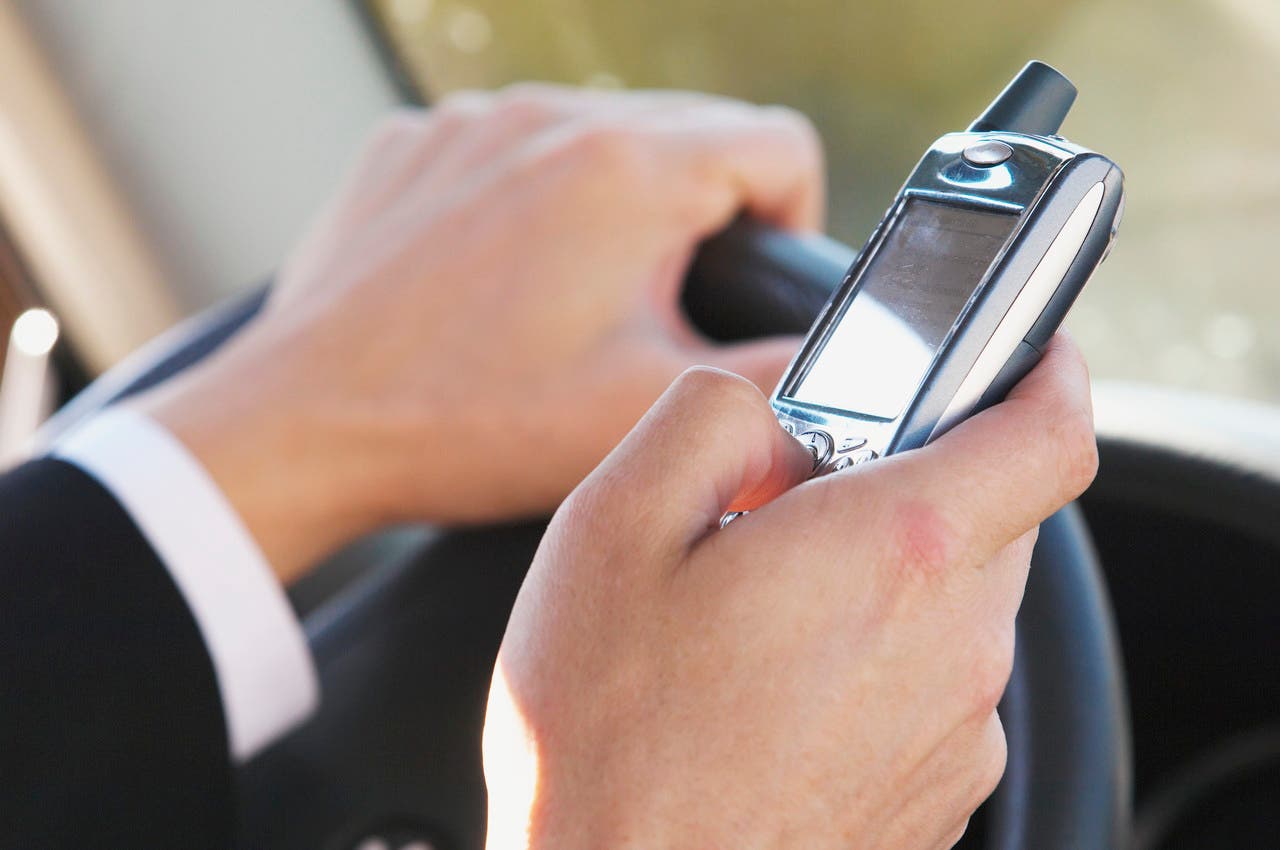
Imagine an app for your Smartphone that would not allow you to text while driving. Would you use it? Would you insist your kids use it?
According to one survey, 97 percent of teens say texting while driving is dangerous — but 43 percent admit to doing so. A Virginia research group says those who send text messages while driving are 23 times more likely to be in a crash.
Interested in local real estate?Subscribe to Patch's new newsletter to be the first to know about open houses, new listings and more.
Seventy-five percent of teens say texting and driving is "common" among their friends.
The National Safety Council estimates at least 28 percent of all traffic crashes - or at least 1.6 million crashes each year - are caused by drivers using cell phones and texting.
Interested in local real estate?Subscribe to Patch's new newsletter to be the first to know about open houses, new listings and more.
Friday, AT&T began offering its new Discover Smartphone with DriveMode, an app that "when enabled and the vehicle is moving 25 mph, automatically sends a customizable auto-reply message to incoming texts, letting your friends know you're behind the wheel and will reply when it's safe."
Says AT&T: "Our simple message is vital: when it comes to texting and driving, it can wait."
According to the AT&T site,
- Once downloaded and set-up, the app will turn on automatically once your vehicle starts moving 25 miles per hour. Then, anyone who tries to text or email will receive an auto-reply message telling them you’re currently driving and will get back to them soon.
- When the app is turned on, all calls will automatically be sent to voicemail; however, the user can identify five numbers that can always get through, and 911 calls are always allowed.
- When setting up the app, the user has the option to select one navigation and one music app that can be accessed while DriveMode is turned on.
- While enabled, depending on your device, the app also stops incoming sounds for texts, emails and voice calls – so you’re less tempted to grab your phone.
- The app automatically turns off once the vehicle is going less than 25 miles per hour for five minutes and then the user can view the calls, messages and e-mails as they normally would.
Question is, will people use it? Will people turn on the app, and drive more safely? Or is the addiction to texting while in the car so strong - especially for teens - that smartphone users will never enable the application?
Tell us in your comments. Then vote in our poll.
Get more local news delivered straight to your inbox. Sign up for free Patch newsletters and alerts.


